
Creating a cozy and inviting home office space is more important than ever, especially as many people balance work and home life under one roof. A well-designed workspace can improve focus, reduce stress, and make working from home enjoyable. Whether you have a dedicated room or just a corner, these tips will help you craft a home office that feels comfortable, organized, and uniquely yours.
Why a Cozy Home Office Matters
Spending long hours in a work area that feels sterile or uncomfortable can drain your energy and motivation. On the other hand, a cozy and inviting office space encourages creativity and helps maintain a positive mindset throughout your workday.
Comfort and inspiration contribute significantly to productivity. When you enjoy your surroundings, tasks become less daunting, and taking breaks feels more refreshing.
Selecting the Right Location
Start by choosing the best spot for your home office.
– Natural light: Ideally, pick a space near a window. Natural light helps reduce eye strain and boosts mood.
– Quiet zone: Find a quiet place where distractions are minimal.
– Size matters: Depending on your work and equipment, ensure there’s enough room to move comfortably.
– Dedicated area: If possible, assign a specific area solely for work to separate professional and personal life.
Investing in Comfortable Furniture
Your chair and desk are the backbone of your workspace.
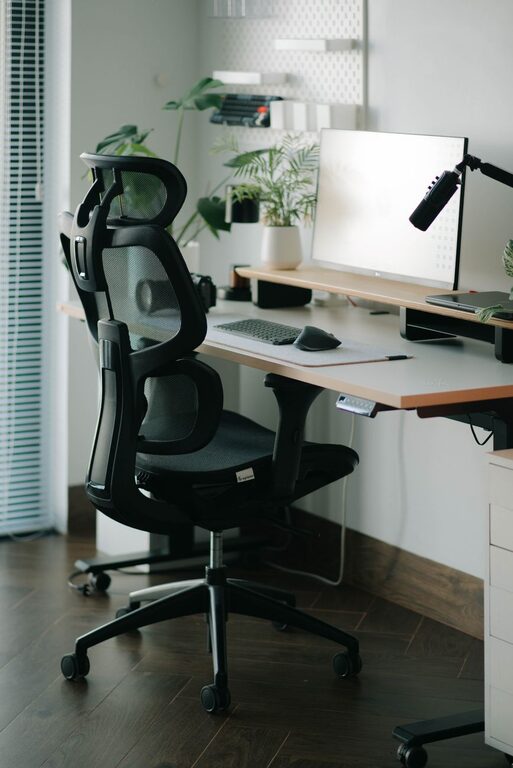
– Ergonomic chair: Choose a chair that supports your back and encourages good posture.
– Desk at the right height: Your desk should allow your arms to rest comfortably at a 90-degree angle.
– Adjustable options: Sit-stand desks are a great way to alternate your working position and keep energy levels up.
In addition to comfort, furniture style can influence the overall vibe. Select pieces that match your taste, whether modern, rustic, or minimalist, to make the space feel personal and inviting.
Organizing for Efficiency and Calm
A tidy desk helps keep the mind clear. Here are strategies to organize effectively:
– Use storage solutions: Shelves, drawers, and boxes can keep supplies out of sight but within reach.
– Declutter regularly: Remove unnecessary papers or items to avoid visual chaos.
– Organize cables: Use clips or ties to manage cords and keep your desk surface neat.
– Dedicated spaces for tools: Create zones for stationery, files, and electronics to streamline your workflow.
Personalizing Your Space
Add touches that make your home office uniquely yours.
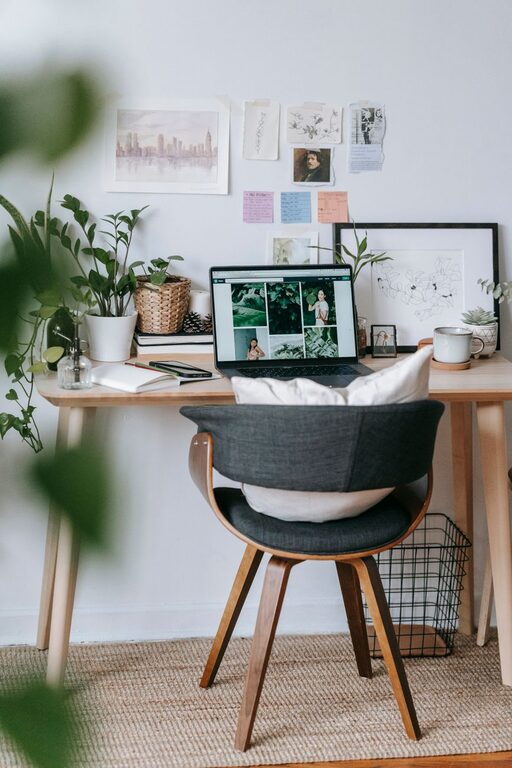
– Artwork and photos: Display inspiring images or personal pictures to brighten the mood.
– Plants: Greenery not only improves air quality but adds color and life.
– Textiles: Soft cushions, rugs, or throws introduce texture and warmth.
– Lighting: Beyond natural light, use table lamps or string lights to create a relaxing ambience, especially for late hours.
– Scent: Consider candles or diffusers with calming scents like lavender or eucalyptus.
Paying Attention to Lighting
Good lighting reduces eye strain and enhances productivity.
– Layered lighting: Combine overhead lights with task lighting for flexibility.
– Adjust brightness: Use dimmers or adjustable lamps to tailor lighting to your needs.
– Avoid glare: Position screens perpendicular to windows or use blinds to reduce reflections.
Creating a Distraction-Free Environment
To stay focused, minimize interruptions with these ideas:
– Noise control: Use noise-canceling headphones or soft background music.
– Clear boundaries: Communicate your work hours to family members or housemates.
– Separate relaxation: Keep your workspace distinct from leisure areas to reinforce mental separation.
Incorporating Technology Thoughtfully
Technology is essential but can clutter.
– Wireless devices: Reduce cable mess with wireless keyboards, mice, and printers.
– Monitor stands: Elevate screens to eye level to improve posture.
– Charging stations: Keep devices charged and organized in one spot.
Adding Comfort and Flexibility
Working from home is more comfortable when you include flexible options.
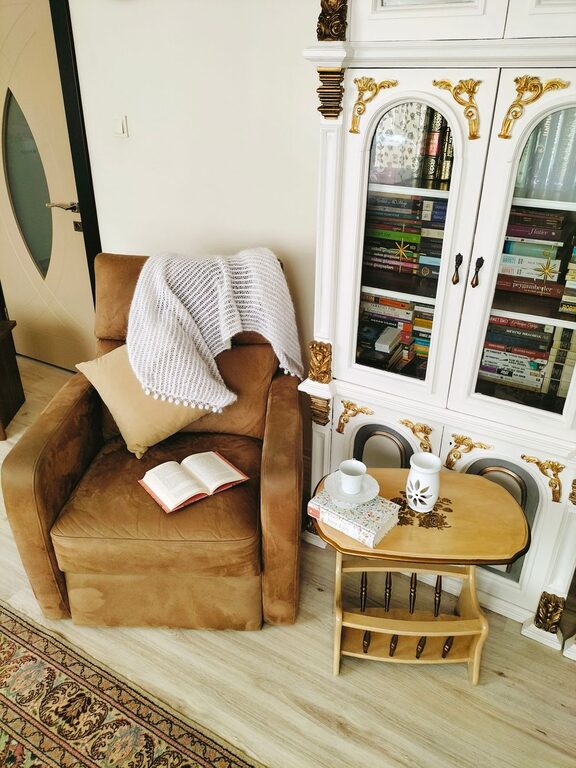
– Break area: Include a small spot with a comfy chair or floor cushion for quick breaks.
– Adjustable elements: Use movable furniture or folding desks if you need to transform your space.
– Temperature control: Have a small fan, heater, or blanket to stay comfortable throughout the year.
Maintaining Balance and Routine
Finally, a cozy home office works best when paired with healthy habits.
– Scheduled breaks: Step away regularly to stretch and refresh.
– Natural elements: Take quick nature breaks outdoors to recharge.
– Work-life boundaries: End your day by tidying the space, signaling closure.
—
By combining comfort, personalization, and smart organization, you can create a home office that’s not only functional but also a pleasant place to spend your workday. A cozy and inviting workspace will naturally encourage focus and help you enjoy every moment of your work-from-home experience.